Brat Tattoo Placement Ideas
Placement can change a brat tattoo completely. The same tiny green square looks bold on a forearm, subtle behind an ear, and private on a hip. Choosing the right spot is just as important as choosing the design itself, because placement affects visibility, pain, healing, and how well the tattoo ages.
Brat designs are unusually flexible for placement. They are small, flat, and simple, so they fit spots that detailed tattoos cannot, from highly visible to almost hidden.
This guide covers the nine most popular brat tattoo placements, what each one suits, and how to pick a spot that fits your life as well as your style.
Visible Placements: Wrist, Forearm and Collarbone
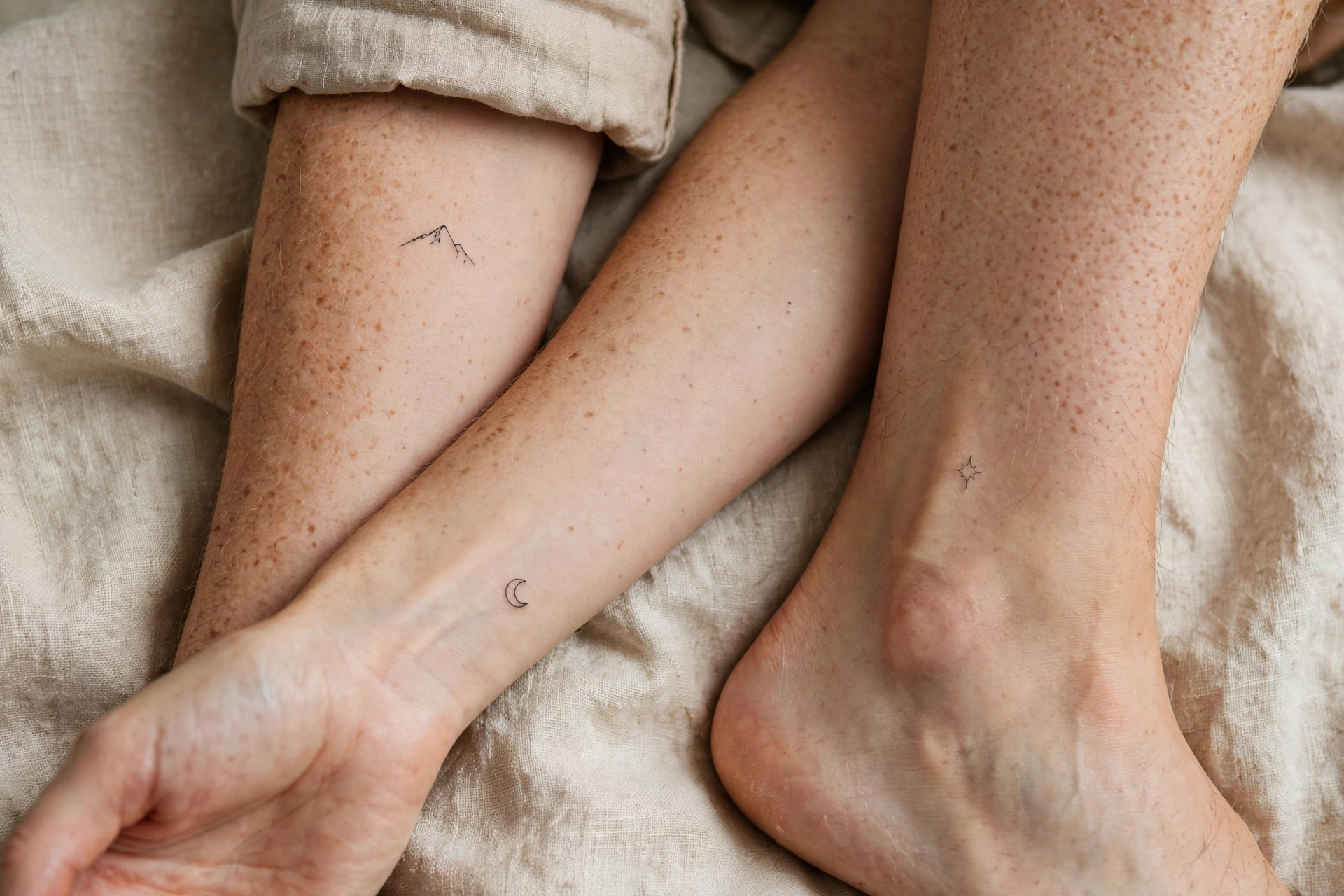
A brat tattoo wrist design is one of the most popular choices. The wrist is easy to show, easy to photograph, and suits small squares, single words, and short lyrics. It is also a spot you will see every day, so it suits a design you are sure about.
The forearm offers more room. A brat tattoo forearm design can be a little larger, which helps the green square stay sharp and keeps lyric lettering readable. The forearm is also one of the flatter, more comfortable areas to tattoo, and it heals reliably.
A brat tattoo collarbone design suits words and short phrases. The collarbone gives a longer, flatter line than the wrist, so a lyric or a word in plain type sits elegantly along the bone. It shows with summer clothes and disappears under a higher neckline, which makes it a flexible choice.
Before you commit to a visible spot, preview the design in the album style using a brat generator site and hold the preview against the area. Seeing the size on your own skin often settles the placement question at once.
Discreet Placements: Behind the Ear, Ankle, Finger and Hip
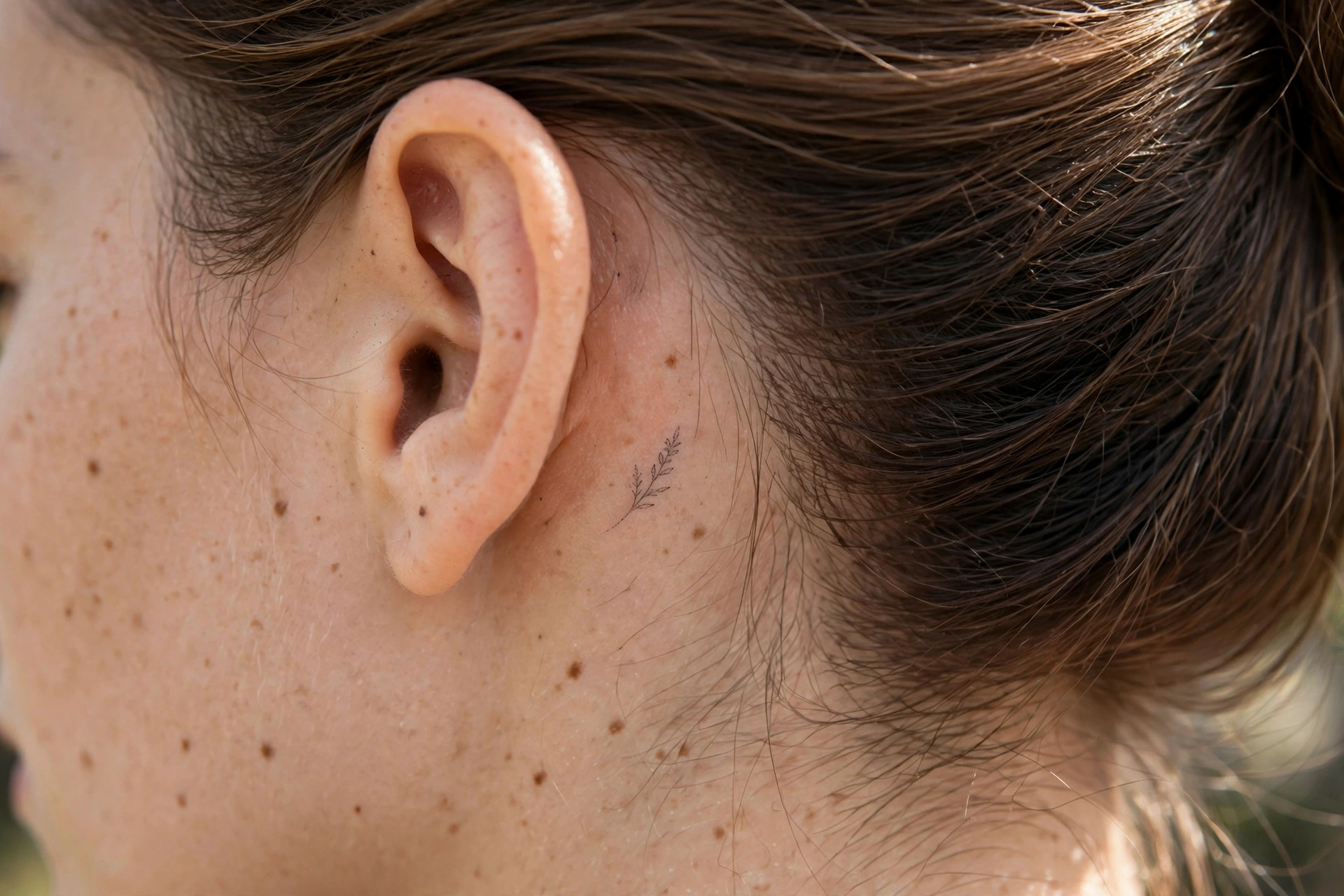
A brat tattoo behind ear design is ideal for a tiny square or a single small word. It is visible when hair is tied back and hidden the rest of the time, which suits people who want the reference to feel private. Keep the design very small and simple here, since the area is curved and compact.
A brat tattoo ankle design is another discreet favourite. The ankle suits small squares, tiny words, and small stars, and it pairs well with summer shoes and outfits. It is also a spot that can be covered easily for work, while still showing in everyday summer clothes.
A brat tattoo finger design looks striking in photos but needs honest expectations. Fingers move constantly, and ink there can blur or fade faster than on flatter skin. If you choose a finger, keep the design to a very simple shape, such as a tiny square or a single letter, and accept that a touch-up may be needed sooner.
A brat tattoo hip design is the most private option in this group. It suits a small square, a short lyric, or a summer-themed design that you want to keep for yourself. The hip is also a relatively flat area, which helps a square design hold its shape well.
For styling ideas that match these discreet spots, the brat nails inspo guide shows how small green details can tie a whole look together without a large tattoo.
Larger Flat Placements: Shoulder Blade and Lower Back
A brat tattoo shoulder blade design suits a slightly larger version of the cover. The shoulder blade is flat and stable, so a square stays true and lettering stays even. It is also easy to cover, which makes it a good choice for a bolder design you do not want visible every day.
A brat tattoo lower back design has a playful connection to the “Guess” lyric, but it works as a placement in its own right too. The lower back offers a wide, flat area for a square or a short lyric, and it stays hidden under most clothes. Keep the design simple here rather than stretching it across the whole back, so it still reads as brat.
Pain, Healing and Ageing by Placement
Pain varies by spot, but brat tattoos are small and quick, so even more sensitive areas are usually manageable. The forearm, ankle, and shoulder blade are generally milder, while the collarbone, ribs, and fingers can feel sharper because there is less padding over bone.
Healing also varies. Areas that bend a lot, such as fingers and wrists, need a little more care in the first two weeks, since movement can disturb the healing skin. Flatter, less mobile areas such as the shoulder blade and hip usually heal more smoothly.
Ageing is the longest-term factor. Flat, stable skin holds a square shape best, while high-movement areas blur faster. Sun exposure matters too: tattoos on the wrist, forearm, and collarbone will fade sooner without sunscreen than tattoos on the hip or shoulder blade.
Your artist can advise on all three factors for your chosen spot. Ask how the design will age there, and whether a slightly larger size would help it last.
The brat makeup look guide is a useful companion here too, since it shows how small green accents in a wider look can balance a tattoo in any placement.

How to Choose Your Placement
Start with visibility. Decide whether you want the tattoo seen daily, sometimes, or rarely, and shortlist only the spots that match. A tattoo you feel you have to hide every day will quickly become a regret, even if the design itself is perfect.
Next, match the design to the spot. Squares suit flat areas, words suit longer lines such as the collarbone or forearm, and tiny designs suit compact areas such as behind the ear. The main brat tattoo ideas guide shows how each design type behaves at small sizes.
Finally, test the placement before you commit. Ask the artist to place the stencil and live with it for a few minutes. Walk around, check it in a mirror, and see how it looks from a normal distance. That short test often reveals more than hours of thinking about it at home.
What is the best placement for a small brat tattoo?
The forearm, ankle, and wrist are the most popular choices. They are flat, comfortable to tattoo, and suit small squares and short words well.
Is a finger brat tattoo a good idea?
A finger tattoo looks great but can blur and fade faster than other spots because fingers move constantly. Keep the design very simple and expect a possible touch-up sooner.
Where should a brat lyric tattoo go?
Short lyrics fit the wrist, forearm, and ankle. Longer phrases need flatter, longer areas such as the collarbone, forearm, or ribs, where the lettering has room.
Which placement hurts least for a brat tattoo?
The forearm, ankle, and shoulder blade are generally milder. The collarbone, ribs, and fingers can feel sharper because there is less padding over bone.
Does placement affect how long a brat tattoo lasts?
Yes. Flat, stable areas such as the forearm and shoulder blade hold shape best, while high-movement areas such as fingers blur faster. Sun exposure also matters, so visible spots need sunscreen.
Conclusion
The right brat tattoo placement is the one that fits your design, your visibility, and your daily life at the same time. Pick a spot where the shape will hold, where you are happy for it to be seen, and where healing will be straightforward. Get that choice right, and the tattoo will look as good in a few years as it does on the day you get it.